industry-news

14 09, 2026

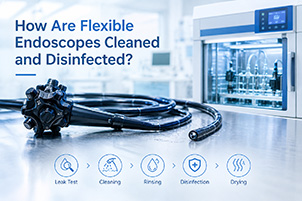
How are Flexible Endoscopes Cleaned and Disinfected?

2026-09-14T09:28:56+08:00September 14th|Blog|

Flexible endoscopes are not single-use devices. After each use, they must undergo a standardized cleaning and disinfection process. Only after being properly processed can they be used again on the next patient. Therefore, the cleaning and disinfection of flexible endoscopes are of critical importance. Any simplification or omission in any step of the process may reduce the effectiveness of disinfection and increase the risk of cross-infection. For patients and staff new to the field of endoscopy, the complete process of cleaning and disinfecting flexible endoscopes is often not fully [...]

19 08, 2026

A Comprehensive Analysis of the Cleaning Process for Automatic Glassware Washer

2026-08-19T10:17:32+08:00August 19th|Blog|

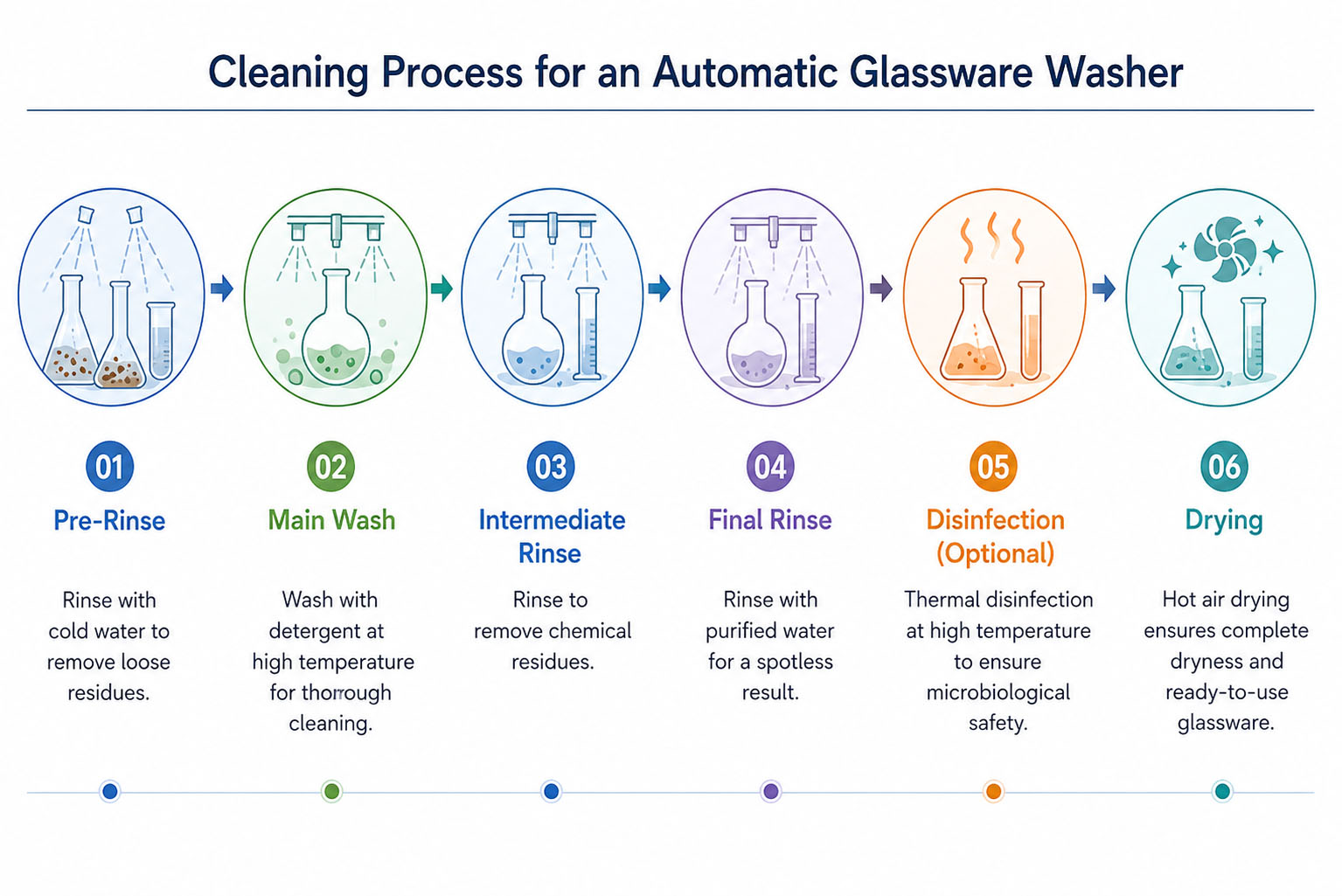
A glassware washer is a core piece of equipment for cleaning laboratory glassware. It uses program-controlled water temperature and detergent, along with high-pressure circulating water jets for physical scrubbing. It automatically cleans glassware within a sealed washing chamber, and some models also support sterilization and drying. The entire process requires no manual intervention, significantly reducing labor requirements. At the same time, the consistent cleaning results ensure the reproducibility of experiments. Typically, the cleaning process of a laboratory glassware washer consists of five core stages: Pre-wash, main wash (including alkaline [...]

22 06, 2026

How to Build an Efficient Laboratory Cleaning & Sterilization Line

2026-06-22T17:01:59+08:00June 22nd|Blog|

Professor Zhang, the head of a chemistry lab at a university, recently purchased a fully automatic bottle washer for the lab. The machine cleans thoroughly and works efficiently, and the team is very satisfied with it. However, after two weeks of use, a problem arose: although the washed glassware was clean and clear, it still needed to be processed in a separate autoclave for microbiological experiments; the sterilized bottles were piled on the lab bench, and by the next day, they were covered in a layer of dust. It [...]

3 06, 2026

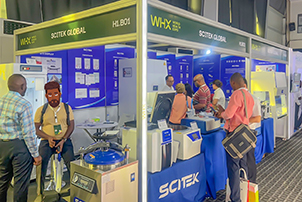
SCITEK Draws Strong Interest at WHX Lagos & WHX Labs 2026

2026-06-03T14:55:20+08:00June 3rd|Blog|

Since the opening day, Booth H1.B01 has attracted a steady flow of visitors interested in learning more about laboratory technologies, equipment selection, and laboratory development trends. The WHX Lagos & WHX Labs 2026 has created valuable opportunities for face-to-face discussions with customers from universities, research institutes, hospitals, diagnostic laboratories, and industrial testing facilities. Visitors have responded positively to SCITEK's comprehensive laboratory solutions and practical approach to supporting laboratories of different sizes and specialties. Many attendees expressed interest in exploring future cooperation opportunities, while several distributors and laboratory organizations have initiated [...]

22 04, 2026

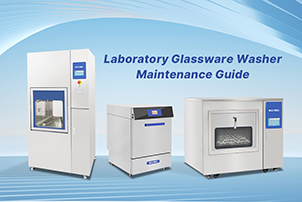
Laboratory Glassware Washer Maintenance Guide

2026-04-22T14:30:16+08:00April 22nd|Blog|

Laboratory glassware washing equipment plays a critical role in ensuring the cleanliness of glassware, meeting analytical requirements, and enabling reuse. Through standardized daily maintenance, equipment operational efficiency can be improved, failure rates reduced, and compliance with relevant standards such as GLP, cGMP, and ISO 15883 ensured. This guide provides a systematic overview of maintenance essentials and common troubleshooting methods for laboratory glassware washers and fully automated cleaning systems in the pharmaceutical, clinical testing, research, and industrial sectors. Whether dealing with compact under-counter models or high-throughput, large-capacity equipment, a scientific [...]

15 04, 2026

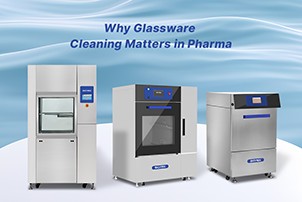
Why Glassware Cleaning Matters in Pharma

2026-04-15T16:49:30+08:00April 15th|Blog|

In pharmaceutical laboratories, precision is everything. Even the smallest contamination can compromise analytical results, delay product release, or lead to costly batch failures. Glassware—beakers, flasks, vials, and complex reaction vessels—comes into direct contact with samples, reagents, and active pharmaceutical ingredients (APIs). Improper cleaning not only affects product quality but also introduces regulatory risks. Under strict frameworks such as GMP, laboratories must ensure that all equipment, including glassware, is consistently cleaned, validated, and documented. As a result, glassware washing is no longer a routine task—it is a critical component of [...]

20 03, 2026

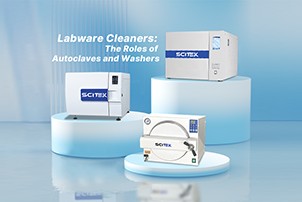
Labware Cleaners: The Roles of Autoclaves and Washers

2026-04-15T16:45:21+08:00March 20th|Blog|

In microbiology and analytical laboratories, effective labware cleaning is essential to prevent cross-contamination and ensure experimental accuracy. Autoclaves and laboratory washers play complementary roles in this process. While washers remove physical residues such as media, chemicals, and biological debris through mechanical and chemical action, autoclaves provide high-temperature steam sterilization to eliminate microorganisms. Together, these systems establish a validated cleaning and sterilization workflow that supports reliable and reproducible laboratory results. The Importance of Autoclaves and Washers The cleanliness and sterilization of laboratory equipment are critical to experimental outcomes. Inadequately cleaned [...]

12 02, 2026

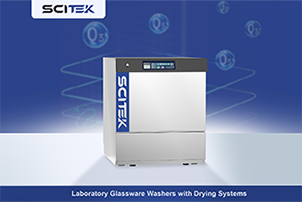
Advantages of Laboratory Glassware Washers with Drying Systems

2026-02-12T16:39:56+08:00February 12th|Blog|

In modern laboratories, the cleaning and drying of laboratory glassware not only affects daily work efficiency, but also directly impacts the accuracy and compliance of experimental results. With the widespread adoption of automated laboratory equipment, laboratory glassware washers integrated with drying systems are increasingly favored by research institutions, pharmaceutical companies, medical testing units, and other organizations. So, what are the advantages of such cleaning equipment? Faster Turnaround Time Traditional drying of glassware typically takes several hours or even longer, especially in high humidity conditions or when the laboratory equipment [...]

26 11, 2025

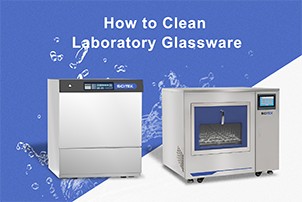
How to Clean Laboratory Glassware

2025-11-26T15:25:14+08:00November 26th|Blog|

Cleaning laboratory glassware is a critical task that ensures the accuracy of experimental results and maintains laboratory safety. Laboratory glassware (such as graduated cylinders, beakers, test tubes, and flasks) must be thoroughly and carefully cleaned to prevent scratches and wear on the glass. From selecting the appropriate brushes to choosing the right cleaning agents, there are many factors to consider before cleaning laboratory glassware. Click here to learn how to clean laboratory glassware. Why is clean laboratory equipment important? Prevent contamination: Clean equipment reduces cross-contamination, ensuring samples are stored [...]

18 07, 2025

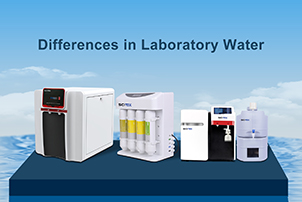
Laboratory: Differences Between Purified, Pure, Ultrapure, Distilled, Deionized Water

2025-07-18T16:24:28+08:00July 18th|Blog|

The core difference between different types of water used in laboratories (such as ultrapure water, deionized water, RO water, etc.) lies in the preparation process and the degree of impurity removal. The type of water affects its applicability in different experiments. Deionized water and distilled water are most commonly used in laboratory bottle washers to clean various glassware. Ultrapure water is also chosen for experiments with higher requirements. What are the differences between these water sources? This article will detail the differences between commonly used water in laboratories. Classification [...]

Title

CONTACT INFO

Xuegu Huigu Science and Technology Park, Xiqing District, Tianjin

Phone: +86-531-82893797

Go to Top