
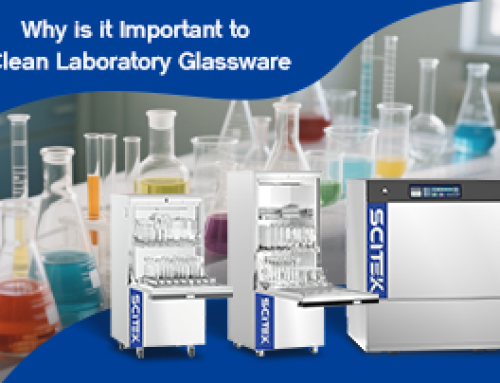
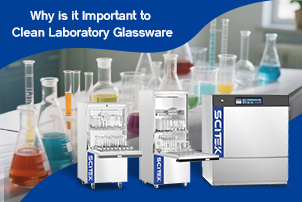
Cleaning laboratory glassware is a critical task that ensures the accuracy of experimental results and maintains laboratory safety. Laboratory glassware (such as graduated cylinders, beakers, test tubes, and flasks) must be thoroughly and carefully cleaned to prevent scratches and wear on the glass. From selecting the appropriate brushes to choosing the right cleaning agents, there are many factors to consider before cleaning laboratory glassware. Click here to learn how to clean laboratory glassware.
Why is clean laboratory equipment important?
- Prevent contamination: Clean equipment reduces cross-contamination, ensuring samples are stored in a dust-free environment and avoiding interference with experimental results.
- Provide accurate results: Regularly clean equipment, especially glassware, to avoid residue interfering with testing and ensure reliable results.
- Comply with health and safety standards: Follow laboratory cleaning protocols and comply with OSHA and CDC requirements to ensure health and safety and avoid the risk of non-compliance.
- Maintaining a clean laboratory: Removing residues and keeping glassware clean helps create an efficient and organized work environment.
How to Clean Common Chemicals in the Laboratory
Different chemicals require different cleaning methods. Please follow the guidelines below to effectively remove:
- Water-soluble solutions (e.g., sodium chloride, sucrose): Rinse glassware with deionized water 3–4 times, then dry and store as needed.
- Water-insoluble solutions (e.g., hexane, chloroform): Rinse with ethanol or acetone 2-3 times, then rinse with deionized water 3-4 times.
- Strong acids and bases (e.g., concentrated hydrochloric acid, concentrated sulfuric acid, concentrated NH₄OH): First rinse thoroughly with a large amount of tap water, then rinse with deionized water 3-4 times.
- Weak acids and weak bases (e.g., acetic acid, 0.1 M NaOH): Rinse thoroughly with deionized water 3-4 times.
- Glassware used in organic chemistry:
For water-soluble contents, use deionized water.
For substances soluble in ethanol, first rinse with ethanol, then rinse with deionized water.
What is the best way to remove stubborn residues from glassware?
For stubborn residues, soak the glassware in a laboratory-grade cleaning solution overnight to help remove deposits. If this is ineffective, try using specific solvents such as ethanol to remove organic residues or acetone to remove grease. After using solvents, be sure to rinse thoroughly with deionized water.
How often should laboratory glassware be cleaned?
Laboratory glassware should be cleaned immediately after use to prevent residues from hardening and reduce the risk of cross-contamination. For glassware used in critical experiments, an additional cleanliness check should be performed before use.
Conclusion
Proper cleaning of laboratory glassware is essential for ensuring accurate experimental results and a safe laboratory environment. Using appropriate cleaning agents, solvents, and cleaning methods can maintain the integrity of glassware and prevent contamination. By following these best practices, you can ensure that your laboratory operations run smoothly.


Get Social